Cleaning a precision rifle is a measurement task as much as a maintenance task. When you strip carbon and copper out of a barrel, you are resetting a known baseline so the next string of shots tells you something honest about your load, your throat condition, and your barrel’s remaining life. That is the whole reason we treat cleaning gear at LoadDevelopment.com with the same scrutiny we apply to dies, brass, and chronograph data.
The trouble is that most “complete” gun cleaning kits are built to a price, not to a standard. The classic wooden-box kit with the segmented aluminum rod is the worst offender: thread joints that flex and gall, an uncoated rod that picks up grit and drags it across your lands, and brass jags that leave blue-green smears on a patch and convince you the bore is still copper-fouled when it is not. For a precision bolt gun, the two components that matter most are a one-piece coated rod and a properly fitted bore guide, because everything else in the process depends on the rod staying centered and the solvent staying out of your action. From there, jag material, brush type, and solvent chemistry determine whether your patches are giving you data or noise.
What follows is a practical master list: the components we actually keep on the bench, plus widely available kits, solvents, and consumables that are genuinely useful when chosen deliberately. Some of the items below are accessible alternatives rather than precision-grade tools, and we will say plainly where each one falls short of a purpose-built setup.
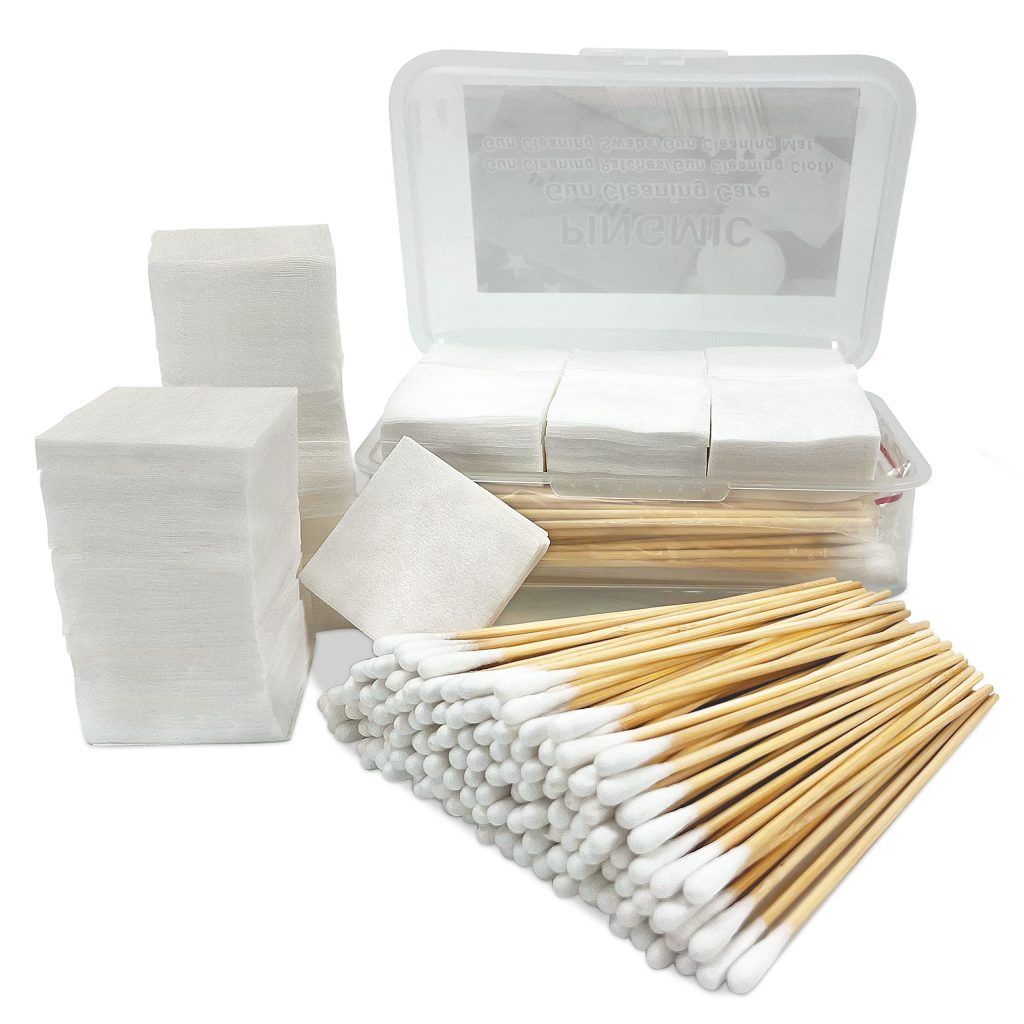
Gun Cleaning Patches and Cotton Swabs Set
Buy this if you burn through consumables and want a bulk supply of patches and long swabs for bolt faces, lug recesses, and gas ports.
Pros
- Tightly knit cotton that sheds very little lint in the bore
- 6-inch swab handles reach lug recesses and firing pin channels
- Large count in a stackable clear case
Cons
- Single-ply patches are thin for a snug jag fit
- Only one 2-inch size, so caliber coverage is a compromise
- Not a substitute for caliber-matched precision patches
When you use the link above to shop for one of the products, we receive a small commission from the sale, at no extra cost to you. This helps us keep this site going, and does not affect the price you would pay usually in any way whatsoever.
The 2-inch square is a reasonable middle ground for .22 through .30 caliber work, but on a tight .308 bore with a Proof Positive style jag we often double the patches to get the right resistance. Reviewers note the same thing, and the plies stick together well enough to make that workable.
The swabs are the real value here. Long cotton swabs are how you get solvent into a bolt raceway or clean carbon out of a muzzle brake port without soaking the whole action. The handles hold up to twisting, which is more than we can say for drugstore cotton buds.
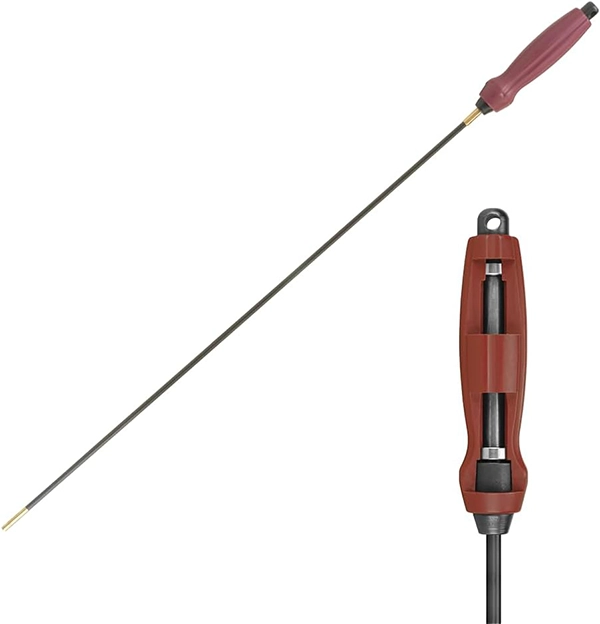
Tipton Carbon Fiber Gun Cleaning Rod
Pros: Extreme rigidity for tight patches; carbon fiber won’t embed abrasive particles like coated steel; impossible to scratch barrel steel.
Cons: More expensive than standard rods; can technically splinter if snapped under extreme bowing (rare).
When you use the link above to shop for one of the products, we receive a small commission from the sale, at no extra cost to you. This helps us keep this site going, and does not affect the price you would pay usually in any way whatsoever.
The foundation of your kit is the rod. Never use a jointed rod or a cheap plastic-coated steel rod. When you apply the force required to push a tight patch through a dirty bore, cheap rods bend, the plastic shaves off, and the bare metal will permanently damage your rifling. A one-piece carbon fiber rod like the Tipton is mandatory. It provides the extreme rigidity needed for precision cleaning, and carbon fiber cannot scratch your barrel steel even if it flexes against the bore wall.
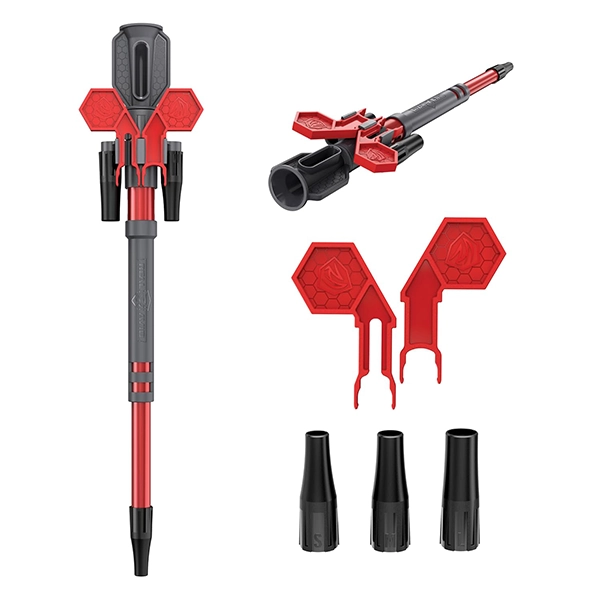
Bore Guide
A bore guide is non-negotiable for bolt-action rifles. It replaces the bolt during cleaning to perfectly align the rod with the bore.
Pros: Protects the chamber and throat from rod wear; keeps the action and trigger completely clean; aligns patches perfectly for easier pushing.
Cons: Usually caliber and action-specific, meaning you may need to buy a few different ones if you shoot multiple platforms (e.g., a Tikka short action vs. a Defiance long action).
When you use the link above to shop for one of the products, we receive a small commission from the sale, at no extra cost to you. This helps us keep this site going, and does not affect the price you would pay usually in any way whatsoever.
Why it matters: It prevents the rod from bowing and scraping the throat of the barrel. More importantly, it stops harsh carbon and copper solvents from dripping down into your trigger group and action (which ruins your trigger’s lubrication and causes gunk buildup).
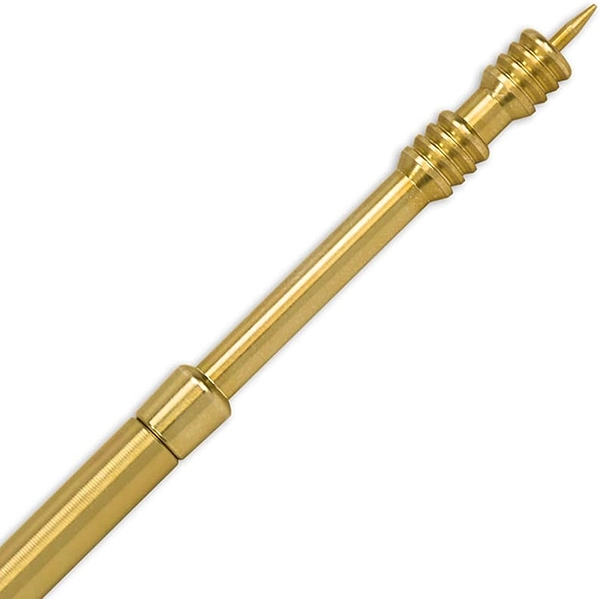
Bore Tech Proof Positive Jags
Standard brass jags contain copper. When you use a good copper solvent, it dissolves the jag itself, turning your patch blue. You will scrub for hours thinking your barrel is still fouled, but it’s actually just your jag melting.
Pros: 100% eliminates false-positive copper readings; barrel-safe alloy won’t scratch your rifling; grips patches securely.
Cons: Slightly more expensive than bulk brass jags.
When you use the link above to shop for one of the products, we receive a small commission from the sale, at no extra cost to you. This helps us keep this site going, and does not affect the price you would pay usually in any way whatsoever.
Why it matters: Bore Tech’s proprietary alloy has zero copper or brass content. If your patch comes out blue, you actually have copper in the barrel.
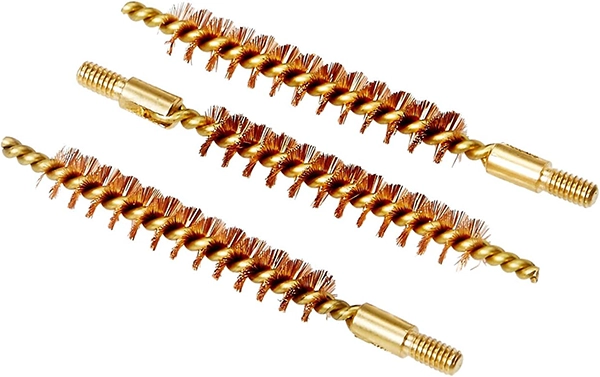
Tipton Best Gun Bore Brushes (Bronze)
Never use stainless steel brushes—they will permanently scratch your bore. Nylon brushes are okay for pushing solvent, but they are too soft to aggressively scrub baked-on carbon. Bronze is the sweet spot: harder than carbon, but softer than barrel steel.
Pros: Brass core guarantees no barrel scratching; stiff bronze bristles physically break up carbon rings; perfectly sized for specific calibers.
Cons: Strong copper solvents will actually dissolve the bronze bristles (you have to rinse them after use); they wear out and flatten faster than nylon.
When you use the link above to shop for one of the products, we receive a small commission from the sale, at no extra cost to you. This helps us keep this site going, and does not affect the price you would pay usually in any way whatsoever.
Why it matters: Tipton brushes are specifically built with a brass wire core, not a steel wire core. This means if the brush bends and the core scrapes the inside of your barrel, the soft brass won’t damage the rifling.
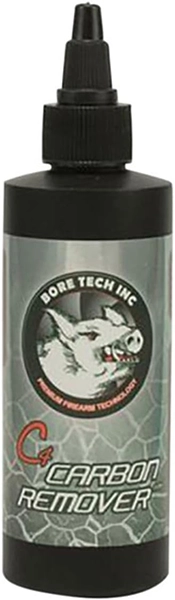
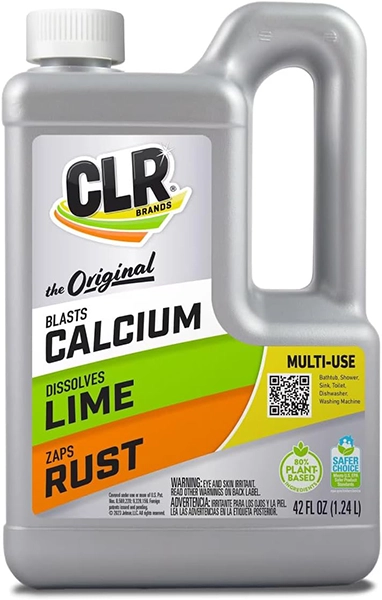
Carbon Solvents (Bore Tech C4 & CLR)
Carbon fouling—specifically the carbon ring in the throat—is the number one cause of pressure spikes and lost accuracy. Traditional solvents like Hoppe’s No. 9 barely touch baked-on carbon. You need a dedicated carbon remover.
Pros (Bore Tech C4): 100% barrel safe; no toxic ammonia smell; won’t harm blued steel or action finishes.
Cons (Bore Tech C4): Premium price point.
When you use the link above to shop for one of the products, we receive a small commission from the sale, at no extra cost to you. This helps us keep this site going, and does not affect the price you would pay usually in any way whatsoever.
Pros (CLR): Extremely cheap; aggressively dissolves diamond-hard carbon rings faster than anything else.
Cons (CLR): Highly corrosive to blued steel and certain coatings; requires immediate flushing/neutralizing to prevent rust.
When you use the link above to shop for one of the products, we receive a small commission from the sale, at no extra cost to you. This helps us keep this site going, and does not affect the price you would pay usually in any way whatsoever.
Why it matters: AJ’s top secret is CLR (Calcium, Lime, Rust remover)—it melts carbon instantly and is incredibly cheap. However, it will strip blued finishes. For a safer, high-end alternative, Bore Tech C4 is the industry standard for precision shooters.
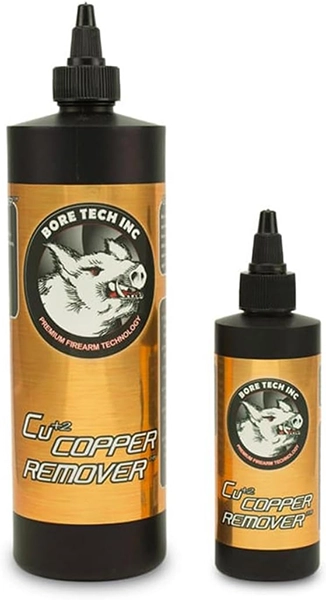
Copper Solvents (Bore Tech Cu2 Copper Remover)
You shouldn’t strip copper every time you clean (a barrel needs some copper equilibrium to shoot consistently), but when accuracy suddenly degrades, you need a dedicated copper stripper, not a “do-it-all” CLP.
Pros: 100% ammonia-free (no toxic smell); completely barrel-safe (can be left in the bore overnight without pitting steel); works incredibly fast.
Cons: It is so effective that it will literally dissolve your bronze brushes and standard brass jags (which is why you must pair it with the Proof Positive jags from above).
When you use the link above to shop for one of the products, we receive a small commission from the sale, at no extra cost to you. This helps us keep this site going, and does not affect the price you would pay usually in any way whatsoever.
Why it matters: Old-school copper solvents (like Sweet’s 7.62) rely on heavy ammonia. They smell terrible and can actually pit your barrel steel if left in too long. Bore Tech Cu2 uses a modern, ammonia-free chemical process to oxidize copper safely.
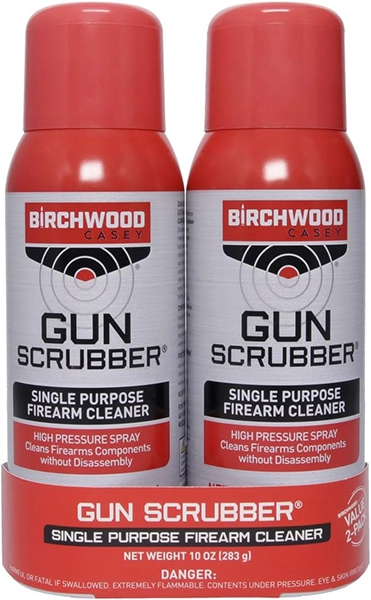
The Degreaser (Birchwood Casey Gun Scrubber)
You need a high-pressure aerosol to blast carbon and grit out of hard-to-reach places (like the locking lug recesses, inside the bolt body, and the trigger group) without requiring a full teardown every time.
Pros: High-pressure spray physically forces gunk out of crevices; evaporates instantly; leaves zero sticky residue.
Cons: It strips all oil and protection from the metal, meaning the steel will rust if you don’t immediately follow up with a protectant; can damage some wood finishes or cheap plastics.
When you use the link above to shop for one of the products, we receive a small commission from the sale, at no extra cost to you. This helps us keep this site going, and does not affect the price you would pay usually in any way whatsoever.
Why it matters: Precision triggers (like a Bix’n Andy or TriggerTech) will fail if they get gummed up with wet oil and carbon. Gun Scrubber blasts the dirt out and evaporates completely, leaving absolutely zero residue behind.
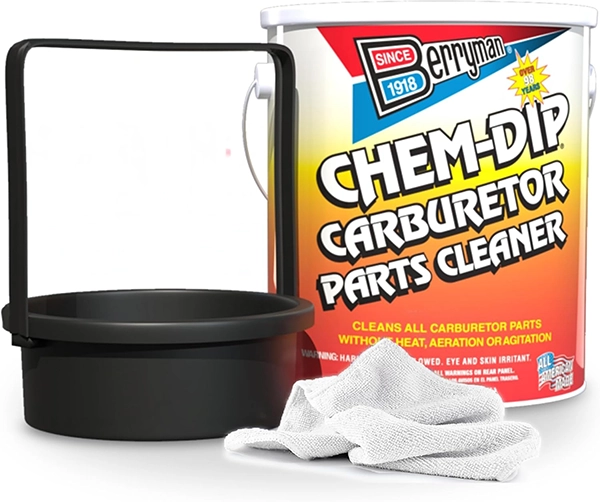
Muzzle Brake Cleaner (Chem-Dip Parts Cleaner)
Muzzle brakes act as a wall for super-heated gases, causing carbon to bake onto the baffles like concrete. Normal bore solvents won’t touch it, and aggressively scraping it with a metal pick will ruin your Cerakote.
Pros: Zero scrubbing required; completely removes the thickest, most stubborn carbon; safe for Cerakote and stainless steel.
Cons: Highly toxic and smells terrible (use in a garage or outside); requires you to remove the muzzle brake from the barrel to soak it.
When you use the link above to shop for one of the products, we receive a small commission from the sale, at no extra cost to you. This helps us keep this site going, and does not affect the price you would pay usually in any way whatsoever.
Why it matters: Taking the brake off and dropping it into a bucket of Chem-Dip overnight dissolves the carbon completely. You just wipe it off with a paper towel the next morning.
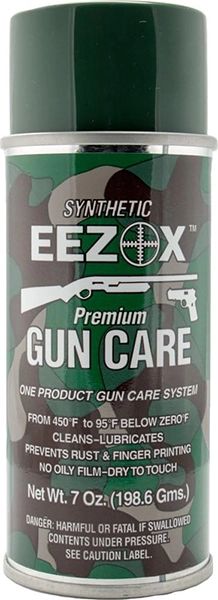
Lube & Protectant (Eezox Premium Synthetic)
Traditional wet gun oils (like Rem Oil or Hoppe’s oil) are terrible for precision rifles because they stay wet. Wet oil attracts dust, dirt, and unburnt powder, turning into a grinding paste inside your action.
Pros: Dries completely dry to the touch; doesn’t attract dust or powder residue; widely tested as one of the absolute best rust-preventatives on the market.
Cons: Strong chemical smell when applied; it is a thin film, so you still need a dedicated heavy grease (like HP grease) for the high-friction bolt lugs.
When you use the link above to shop for one of the products, we receive a small commission from the sale, at no extra cost to you. This helps us keep this site going, and does not affect the price you would pay usually in any way whatsoever.
Why it matters: Eezox goes on wet, but the carrier solvent evaporates, leaving behind a dry, slick, synthetic film. It lubricates the bolt body and protects the exterior from rust without attracting any grit.
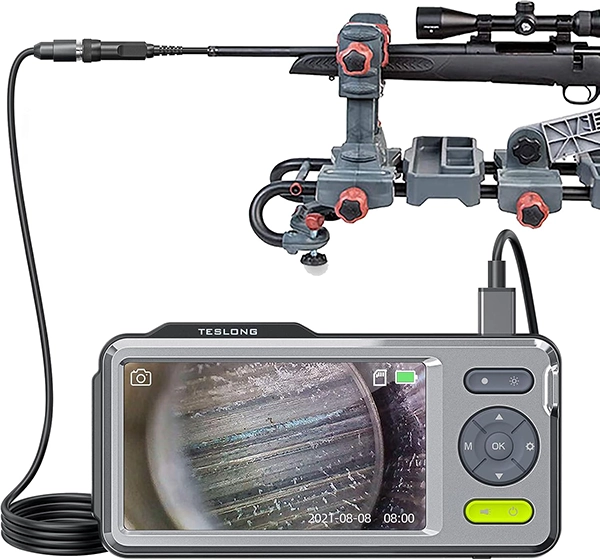
The QA Tool (Teslong Rifle Borescope)
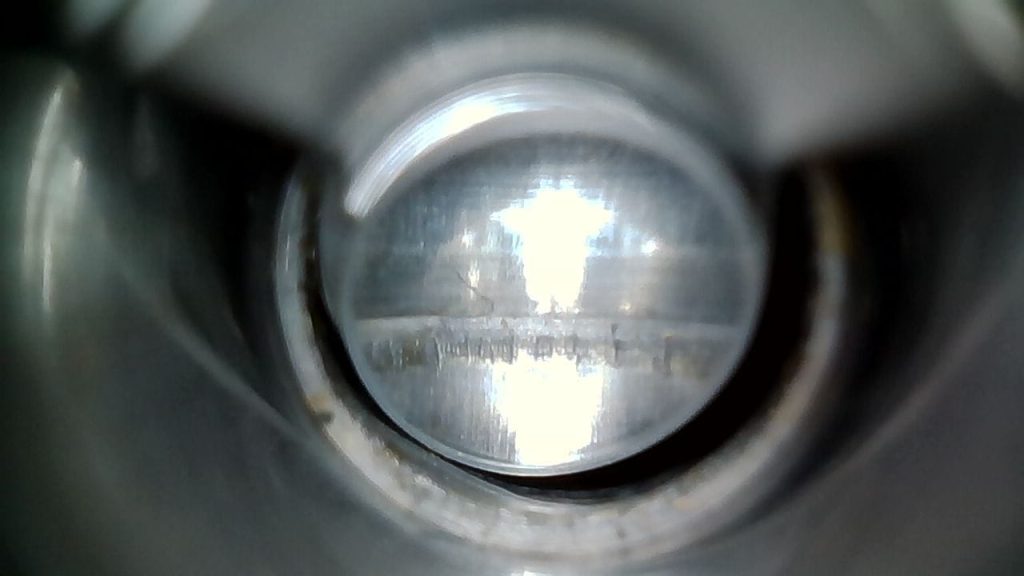
You can push patches until they come out white, but you don’t actually know if your barrel is clean unless you look inside.
Pros: Extremely affordable compared to legacy optical borescopes; high-definition screens show exact barrel condition; eliminates guessing.
Cons: Will make you paranoid when you see normal fire-cracking for the first time; the semi-rigid cables require care so you don’t bend them sharply.
When you use the link above to shop for one of the products, we receive a small commission from the sale, at no extra cost to you. This helps us keep this site going, and does not affect the price you would pay usually in any way whatsoever.
Why it matters: A borescope is the ultimate lie-detector for your cleaning regimen. It is the only way to verify that your carbon solvent actually removed the carbon ring in the throat. Teslong Borescope Full review
Buying Guide
Assembling a precision cleaning kit means buying eight or nine deliberate items instead of one box of sixty. The logic below is the same one we apply at LoadDevelopment.com when a rifle’s group size starts drifting and we need to know whether the barrel, the load, or the cleaning process changed.
Start With the Rod and the Bore Guide
These two items protect your barrel and everything else is secondary. A one-piece carbon-fiber rod with a free-spinning handle follows the rifling instead of fighting it, and carbon fiber does not embed grit the way bare aluminum does. Wipe the rod with a clean patch on every pass.
A bore guide is non-negotiable on a bolt action. It centers the rod so the jag does not scrape the chamber throat, seals the action against solvent running into the trigger and bedding, and keeps fouling headed toward the muzzle. Buy one fitted to your specific action and chambering, not a universal sleeve.
Jag and Brush Material
| Component | Material | Why it matters |
|---|---|---|
| Jag | Proprietary Aluminum Alloy | Will not shed copper, so blue on a patch means real bore fouling |
| Jag | Bare brass | Reacts with ammonia solvents and creates false copper readings |
| Bore brush | Bronze | Cuts carbon effectively; sacrificial, replace when loose |
| Utility brush | Nylon | Safe on finished surfaces and receiver internals |
The false-positive problem is the single most common diagnostic error we see. A brass jag soaking in an ammonia-based copper solvent will paint a patch blue indefinitely, and shooters chase phantom fouling for hours as a result.
Solvent Selection
Carbon and copper are different problems and need different chemistry. A carbon-specific solvent handles the hard ring ahead of the chamber and the baked-on residue in the throat. A dedicated ammonia-based copper remover handles jacket material in the grooves, and you stop when the patches come out clean, not on a fixed schedule.
For heavy carbon on removable steel parts, a parts-dip solution works better than any patch. Muzzle brakes in particular need to come off and soak, because the baffles trap carbon in places a rod never reaches. A degreasing aerosol handles trigger groups and bolt bodies before relubrication.
Lubrication and Verification
Pick a lubricant based on climate and function. Dry-film lubricants leave a thin, non-tacky coat that resists rust and does not attract dust, which suits stored rifles and dusty ranges; heavier oils and greases belong on high-pressure contact surfaces like lugs and rails.
The last item is a borescope. Without one you are guessing about throat erosion, carbon ring buildup, and whether your process is actually working. Seeing the bore turns cleaning from a ritual into quality control, and it is the tool that most changes how people clean.
Frequently Asked Questions
Prioritize a one-piece coated rod with a bearing handle, an action-specific bore guide, and non-reactive stainless or nickel-plated jags. Brushes, mops, and patches are consumables you can buy in bulk, so do not let a high accessory count distract from poor rod and jag quality.
Use a carbon-specific solvent for powder and throat fouling, and a dedicated ammonia-based copper remover only as long as patches still show blue. Both are safe on modern steel barrels when you follow dwell-time instructions, neutralize with a dry patch, and finish with a light protective oil.
A caliber-appropriate bore brush and jag or a flexible pull-through system, patches, a nylon utility brush for the slide rails and breech face, long cotton swabs for the extractor channel, plus a CLP or separate cleaner and lubricant. Breech-to-muzzle cleaning keeps fouling out of the frame.
They cover a wide range of bores adequately for general maintenance, which makes them a reasonable value for a mixed safe. The compromise is the segmented rod and the absence of a bore guide, so they are not our recommendation for a match-grade bolt-action barrel.
Wipe down and relubricate after every outing, especially in humid or wet conditions where corrosion starts within days. Bore cleaning depends on the rifle: some precision barrels shoot best with a modest amount of fouling, so track group size and velocity to find your barrel’s interval rather than cleaning on a fixed count.
Domestic manufacturing often correlates with tighter tolerances on the parts that matter, like rod straightness and jag fit, and with warranty support that actually functions. Judge each item on materials and dimensional quality rather than country of origin alone, since some excellent consumables are made overseas.

AJ Deysel is a competitive rifle shooter in the PRS and NRL Hunter series, a lifelong hunter, and a recognized ballistics specialist whose load development expertise has been featured by industry leaders like Hornady. He is the founder and lead editor of LoadDevelopment.com. Read more about AJ or view our Editorial & Testing Guidelines.